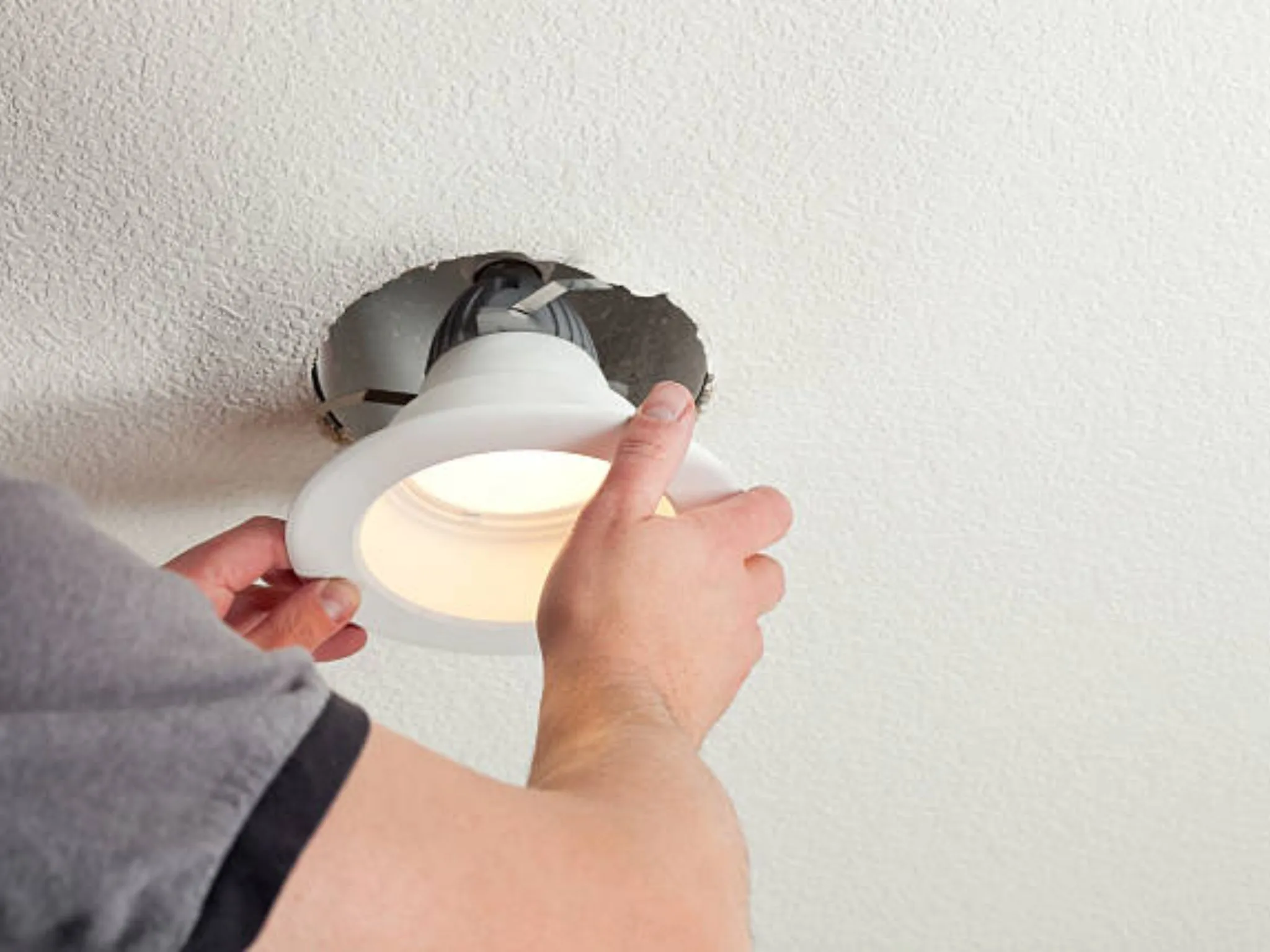
One of the most popular upgrades to a modern house is the process of LED downlights installation that provides a smooth appearance, along with enhanced energy savings and lighting control. However, installations, if not done properly, result in expensive ceiling damage, electrical hazard and a lack of efficiency. The process of renovation prevents the occurrence of errors while protecting your ceiling and investment.
The following are some of the common mistakes homeowners make when installing LED downlights, and how to prevent them.
1. Incorrect Placement and Spacing
Lack of proper planning during LED downlights installation constitutes one of the major errors. Installing too many lights in one place may produce harsh glare, and poor placement of lights may cause dark spots and uneven lighting.
Thus, it is important to properly map out the room plan, furniture arrangement, and the natural lighting sources before cutting into the ceiling. Adequate spacing guarantees an equal distribution of light, thereby preventing unnecessary patchwork on the ceiling.
2. Cutting Oversized Holes in the Ceiling
When a hole is cut too large, it becomes difficult to fix. Oversized cutouts cause the downlight to become loose. As a result, the gaps become visible, or the fixtures sag.
Before starting the process of drilling, always measure the size as specified by the manufacturer. Accuracy in LED downlights installation provides a clean and professional finish.
3. Ignoring Ceiling Insulation and Clearance
Insulation compatibility is something that most homeowners tend to overlook. The installation of the wrong type of downlight in insulated ceilings results in overheating and fire hazards.
It is important to use IC-rated (Insulation Contact) fittings, especially when residential houses have installed LED downlights in Plenty or LED downlights in Somerton.
4. Overloading Electrical Circuits
Installation of several downlights without checking the circuit load may trip breakers or damage wiring. Although LEDs are energy efficient, if several fittings are not connected properly, then this can overload the system.
A licensed electrician makes sure that your wiring and switchboards are capable of handling the extra load in the case of LED downlights installation.
5. Choosing the Wrong Colour Temperature
The lighting has an adverse effect on the space of a room. If you install cool white lights in a bedroom, then it will create a harsh atmosphere. Whereas installing warm lights in task-oriented areas like kitchens results in a lack of visibility.
Before installation, you must choose between warm white (cozy), neutral white (balanced), or cool white (bright and crisp), according to your space and convenience.
6. Poor Wiring and Loose Connections
Loose connections might result in flickering lights or total failure of the fixtures. In other instances, exposed wiring can be extremely unsafe.
Professional installation ensures the safety of wiring, thereby complying with the Australian electrical standards and proper insulation.
7. Attempting DIY Without Professional Knowledge
Although the DIY methods seem easy, ceiling lighting requires expertise in electricity, safety standards, and architecture. Any error made in LED downlights installation might lead to damaged plaster, costly repairs, or electrical faults.
If you choose to hire experts, then it will guarantee you proper location, secure installation, and the perfect finish to the ceiling.
Why Choose Rayzr Electrical and Data?
In terms of delivering reliable and efficient lighting solutions, Rayzr Electrical and Data is well-known for its accurate services and attention to detail. Whether you are upgrading your home with LED downlights in Plenty or using the modern lighting solutions like LED downlights in Somerton, their licensed electricians will guarantee safe, compliant, and quality completion.
Frequently Asked Questions
1. Can I install LED downlights myself?
DIY LED downlights installation is not recommended unless you are a licensed electrician. Incorrect wiring, oversized cutouts, or poor placement can cause ceiling damage and electrical hazards.
2. How far apart should LED downlights be installed?
Proper spacing during LED downlights installation is crucial for even lighting. A common rule is to space LED downlights about 1.5 to 2 metres apart, depending on ceiling height and room size.
3. Why are my LED downlights flickering after installation?
Flickering LED downlights are often caused by loose wiring, incompatible dimmers, or incorrect connections. Professional LED downlights installation helps prevent these issues and ensures stable performance.
4. Do LED downlights need to be IC-rated?
Yes, especially in insulated ceilings. IC-rated LED downlights are designed to safely come into contact with insulation, reducing overheating and fire risks during LED downlights installation.