Consultation and Planning
We discuss your needs and design tailored electrical solutions accordingly.
Selecting materials for a residential roof requires a combination of architectural and technical considerations. A material that works well on one building may be unsuitable for another because of differences in slope, structure or environmental conditions.
Before selecting a roofing material, it is important to understand the structure that will support it. Different roofing systems can place different loads on rafters, trusses and other structural components.
For an existing building, visible deterioration may indicate that repairs are needed before a new covering is installed. Significant structural questions should be evaluated by an appropriately qualified professional.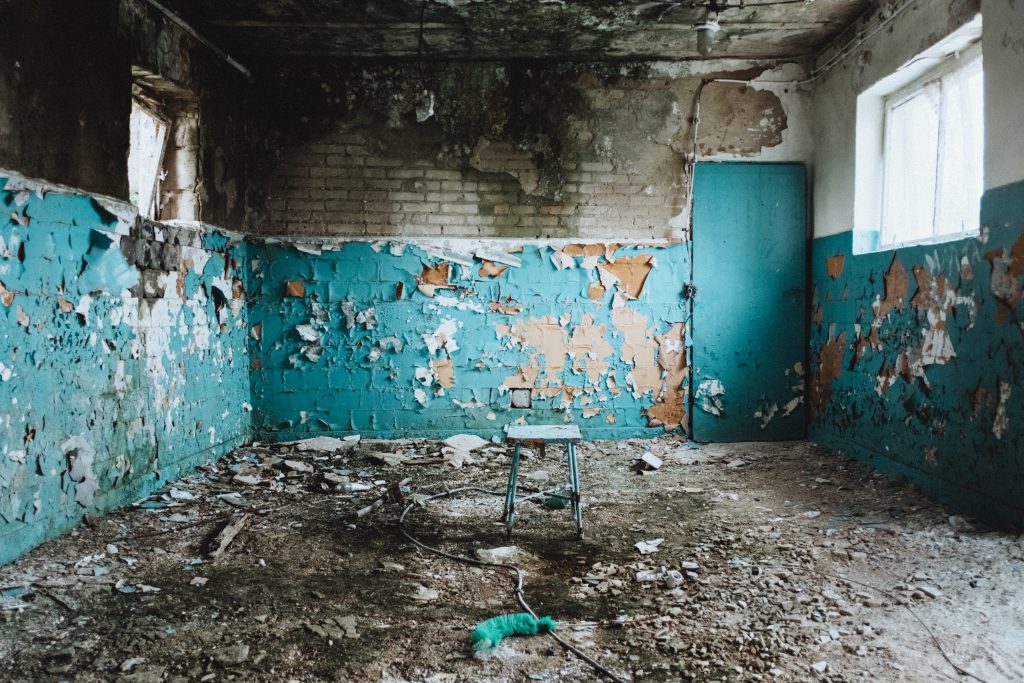
The angle of a roof is more than an architectural feature. It affects drainage and can influence which roofing systems are appropriate for a particular building.
Instead of selecting a material first and attempting to adapt it to the roof afterward, it is more practical to identify solutions compatible with the existing or planned roof geometry.
Two roofing products may look similar while differing considerably in installation, maintenance and supporting-system requirements. A structured comparison makes these differences easier to identify.
The local environment is an important part of roofing material selection. A building exposed to strong winds or substantial precipitation may create different requirements from a structure in more moderate conditions.
These factors should be considered together with manufacturer requirements and relevant local construction practices.
The roofing material receives most of the visual attention, but long-term performance also depends on the components beneath and around it.
Depending on the roof design, the system may involve a supporting deck or battens, underlayment or waterproofing layers, insulation, ventilation components, flashing, fasteners and drainage elements.
The complexity of a roofing project often becomes apparent around penetrations and transitions. These areas should be considered during planning rather than treated as an afterthought.
Good material selection should account for difficult roof details as well as the large visible surfaces.
Choosing a roof also means choosing its future maintenance requirements. These should be considered before construction rather than discovered several years later.
A practical maintenance plan should focus on the requirements of the specific roofing system and the conditions in which it operates.
Replacing an old roof involves more than removing one covering and installing another. The condition of the underlying structure and previous roofing layers should also be assessed.
Even an appropriate roofing material may perform poorly if installation requirements are ignored. Fastening, overlaps, waterproofing details, ventilation and junctions need to follow the specifications of the selected system.
Information available through construction-oriented resources such as Stroyka2001 Ukraine can help property owners become familiar with roofing terminology, materials and common stages of building work before making project decisions.
Residential roofing decisions become easier when the roof is considered as a complete system. The outer material is important, repair and house renovation guide but it must work together with the supporting structure, drainage, waterproofing and other components.
A systematic assessment helps narrow the available options and identify questions that should be discussed with roofing professionals. This approach is especially useful for renovation projects, where the condition of the existing building can significantly influence the final solution.

We discuss your needs and design tailored electrical solutions accordingly.
Licensed electricians deliver safe, efficient work using modern techniques.
We ensure flawless performance before handing over the completed project.


Speak with our experienced electricians today for dependable, safe, and tailored electrical services you can always trust.