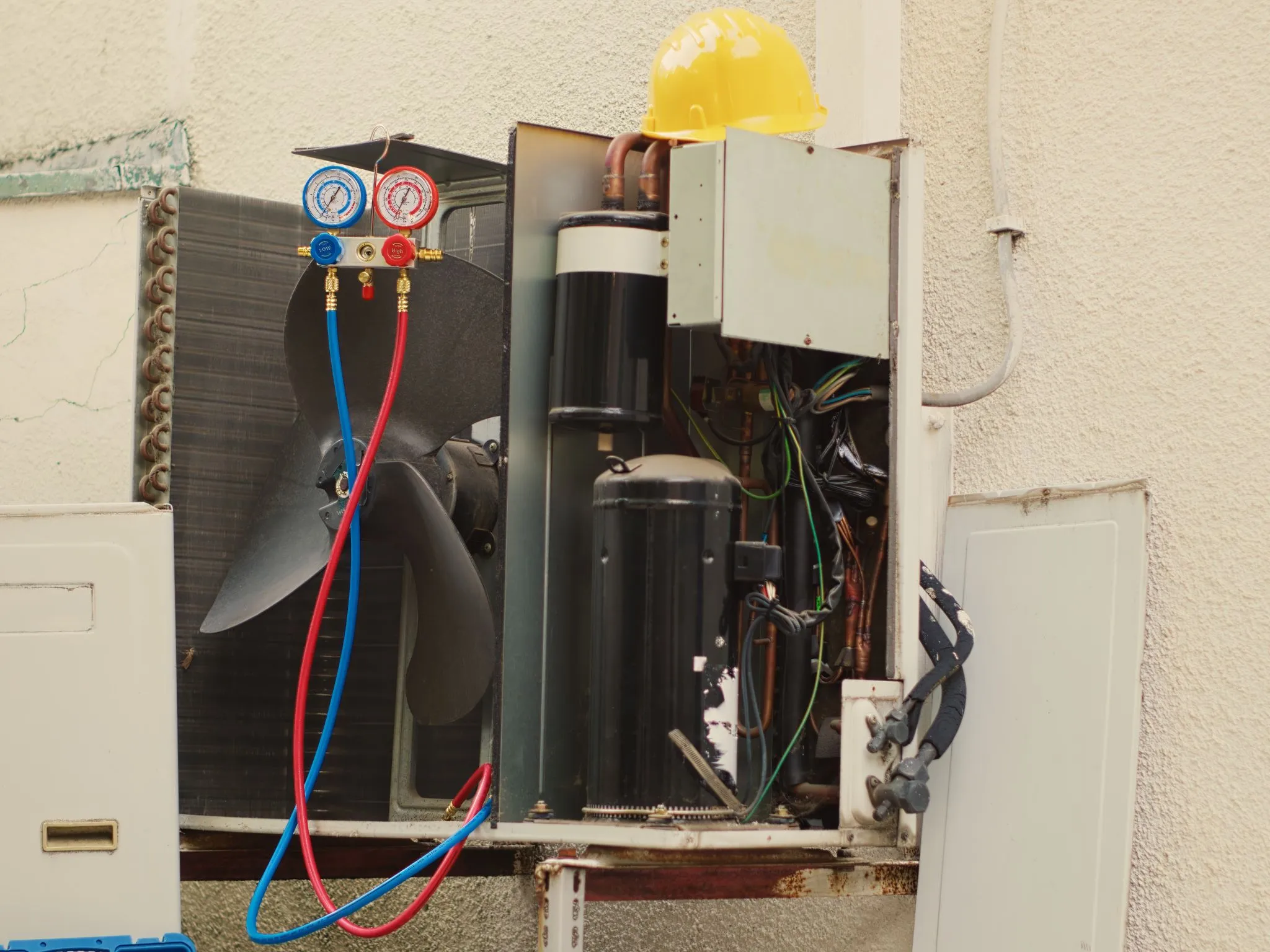
A new ceiling fan proves to be a fantastic addition to any home. They provide for an energy-efficient cooling and a stylish focal point. However, if you want a swift, safe, and stress-free installation by a professional electrician, then a little preparation goes a long way. This not only saves time but also guarantees the structural and electrical integrity of your new fixture.
Safety First: Power and Clearance
It is important to ensure safety before any electrical work begins.
Turn Off the Power: Before hiring a technician, you have to identify and switch off the circuit breaker that regulates the power to the room where the fan will be installed. Do not rely only on the wall switch. Instead, take precautions to reduce the risk of electrical shock.
Clear the Area: The electrician requires a stable and unobstructed access to the ceiling. Remove the tall furniture, decorations, or clutter that is beneath the installation point. Also, keep the breakables out of the room. This allows for a safe setup and use of a ladder.
Check Ceiling Height and Proximity: To ensure safety and efficiency, fan blades should be at least seven feet (approximately 2.1 meters) from the floor and at least 18 inches (45 cm) from the nearest wall. It is important to measure your space to ensure your chosen fan model complies with these safety standards.
Structural and Electrical Readiness
An expert fan installation services require the ceiling structure to be capable of supporting the fan’s weight and motion safely.
Verify the Electrical Box: Standard light fixture boxes are not designed to withstand the heavier weight and dynamic movement of a ceiling fan. Your current junction box has to be fan-rated, which means it is securely fastened to a ceiling joist or cross-brace and rated to support at least 35 lbs (15.9 kg). If you are planning to replace a standard light fixture, then you have to upgrade the existing box. It helps the expert manage the expectations for the job’s scope and duration.
Wiring Check (If Applicable): While installing a fan where there was previously no light fixture, or separating switches for the fan and light (a highly recommended feature), new wiring is necessary to run from the switch to the ceiling. If you want to replace an old fixture, then it is mandatory to confirm the current wiring configuration. Is there just one switch, or a dual-switch? Knowing this will help your installer plan the work, especially for homes requiring specialised fan installations in Brunswick.
Gather Materials and Documentation
Rayzr Electrical and Data utilises all the necessary tools; having certain items ready smooths the process considerably.
Unbox the Fan: Open the box and lay out all the parts. Carefully check the components against the parts list in the manual to ensure the necessary things, such as blades, motor housing, light kit (if applicable), remote control, and all hardware, are present. This prevents delays from last-minute trips for missing screws.
Keep Instructions Handy: Keep the fan’s instructions handy for your installer. This is necessary, especially for unique or complex models. It ensures your fan is assembled properly according to the manufacturer’s specifications.
Have Accessories Ready: Keep the extension down rod for a high ceiling, a specific wall switch, or a remote control module, ready with the main fan kit.
Whether you are completing a new setup or seeking fan installations in plenty or fan installations in Greensborough, taking preparatory steps makes your job straightforward and quicker.
Why Choose Rayzr Electrical and Data
At Rayzr Electrical and Data, we commit ourselves to delivering safe, reliable, and compliant fan installation services. From securing fan-rated electrical boxes to complex wiring for new installations, our dedicated team, comprising licensed and experienced electricians, handles everything with utmost care and caution.
Frequently Asked Questions
1. Why is it important to prepare the room before a fan installation?
Preparing the room helps the electrician work safely and efficiently without obstacles. Clearing furniture, providing ladder access, and switching off the power prevent delays and reduce risks. A ready space also lets the electrician assess the ceiling, wiring, and installation point quickly, ensuring a smoother overall process.
2. What should I do if I’m replacing an old light fixture with a ceiling fan?
Replacing a light with a fan requires checking the electrical box and wiring. Older light fittings often have boxes that can’t support a fan, so upgrading to a fan-rated box is usually needed. The wiring may also lack support for dual switches or separate fan-and-light control.